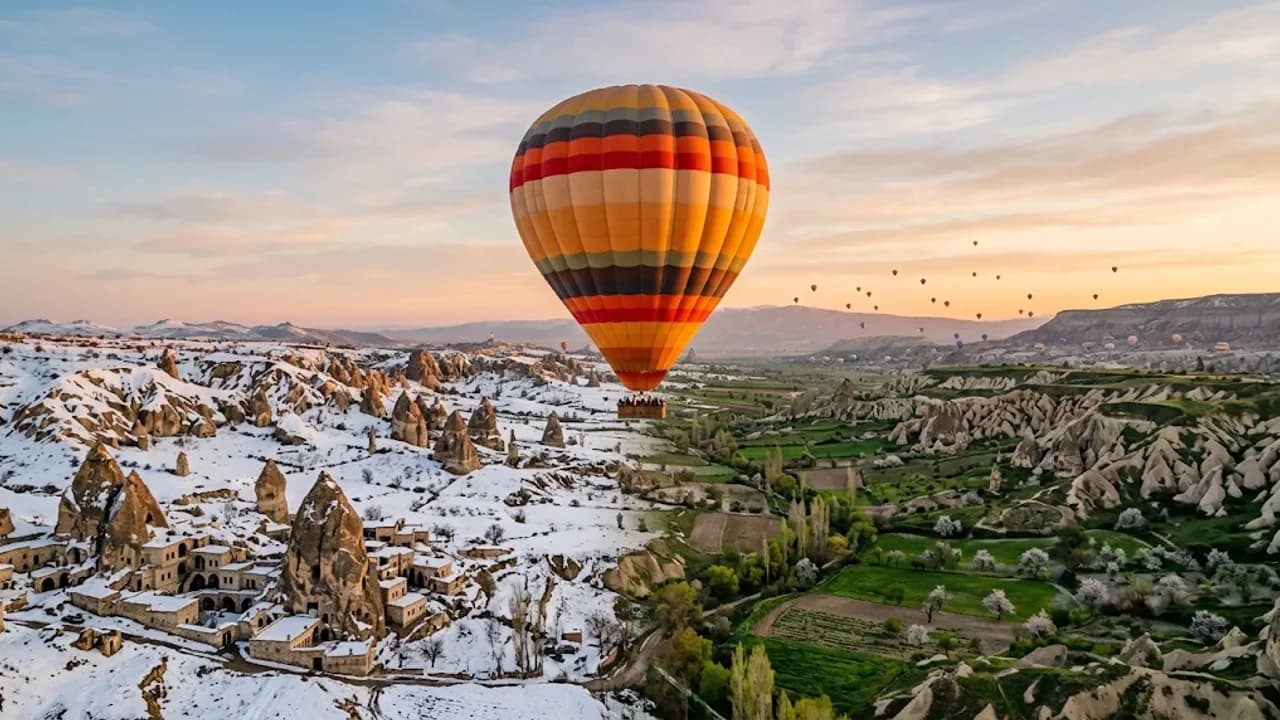
-1.webp&w=3840&q=75)
Before buying a ticket for a balloon flight in Cappadocia, the most practical question on most visitors' minds is which season is better. The answer has more layers than you might expect, because every season is both captivating and carries its own set of drawbacks. One person finds a pastel March morning the most beautiful thing; another prefers the December landscape under a blanket of snow. In this article we will compare all four seasons in detail, so that by the end you can easily choose the right time for your own plans.
First, one basic point: balloon flights operate in Cappadocia in all twelve months of the year. No season is operationally closed. But cancellation rates, the character of the landscape, prices and crowd levels vary considerably from season to season, depending on the weather. Which season you choose comes down to what matters most to you: the highest chance of actually flying, the best price, the quietest valley, or the smallest crowds?
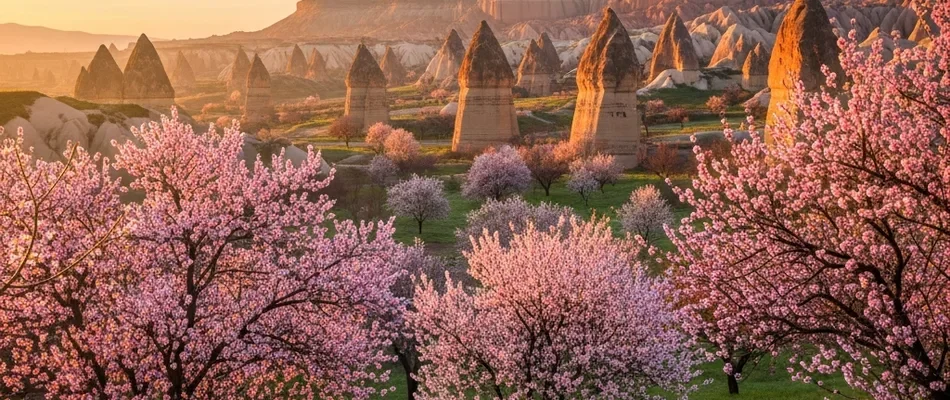
Spring (March, April, May) — The Season of Pastel Mornings
Spring is the period many experienced visitors recommend. In March the fairy chimneys still appear in cool grey tones; with April the valleys begin to green, and in May the flowering of the almond and apricot trees produces a completely different picture. Daytime temperatures reach 15–20°C, while the early morning sits in a mildly cool band of 8–12°C. That coolness creates ideal conditions for a balloon flight.
Cancellation rates are relatively low in spring, averaging around fifteen per cent a month. The chance of rain can be a little higher in April, but rain generally comes later in the day and is rare in the first hours of the morning. Prices are 20 to 30 per cent more reasonable than the summer peak, and the crowds are comparatively light. In early March the venues have not yet reached full capacity, and the quality of personal service for small groups is high. April and May are what many guides call the golden months.
Summer (June, July, August) — The Highest Chance of Flying
Summer is the peak season for ballooning in Cappadocia. Across the three months from June to September the weather is at its most settled. In the morning hours the wind is usually light, visibility is excellent and the sky is clear. Cancellation rates are consequently quite low — averaging between five and ten per cent. If you have booked a ticket for a day in summer, the likelihood of the flight going ahead is very high.
The price of that reliability is paid in higher fares. In summer, balloon flight prices reach their highest point of the year; the same flight can cost 30 to 40 per cent more than it would in March. Bookings also fill early, and for July and August you may need to reserve a month or two ahead. When you wake at around four in the morning for the launch, seeing countless other visitors boarding shuttles outside the hotel for the same purpose is an ordinary sight. Summer combines the best chance of flying with the most crowded experience.
Autumn (September, October, November) — The Valley in Golden Tones
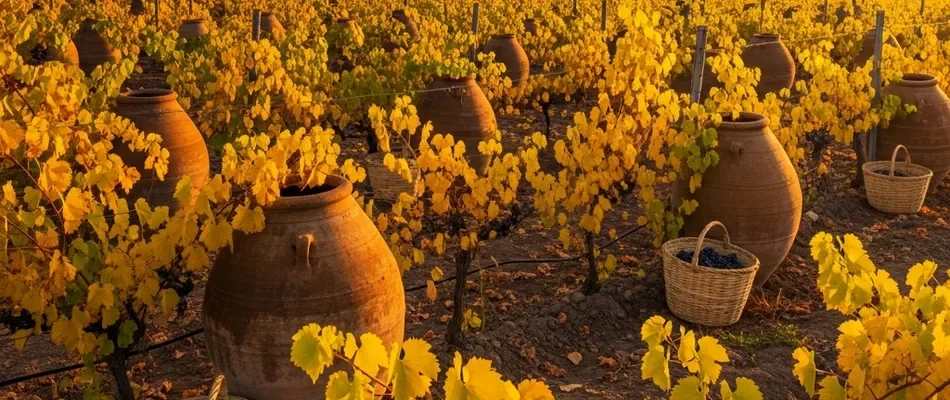
Autumn is very close to spring in the quality of the experience, but visually it has a different character. September still carries an extension of summer: daytime temperatures of 20–25°C and clear skies. With October the colours begin to change; the vines in the vineyards turn a yellowish brown and the scrub in the valleys takes on burgundy tones. Towards November the first cold arrives, but flights continue without interruption.
Perhaps autumn's most important advantage is that it coincides with the grape harvest. The smell of şıra after the harvest, the traditional days of boiling molasses, markets full of fresh produce — the list of things to do after your flight grows longer. In September and October the cancellation rate is again in the 10 to 15 per cent band. Prices start coming down from summer levels in early September and fall to quite reasonable figures by the end of October. The crowds are far lighter than the August peak, and the valleys feel more comfortable.
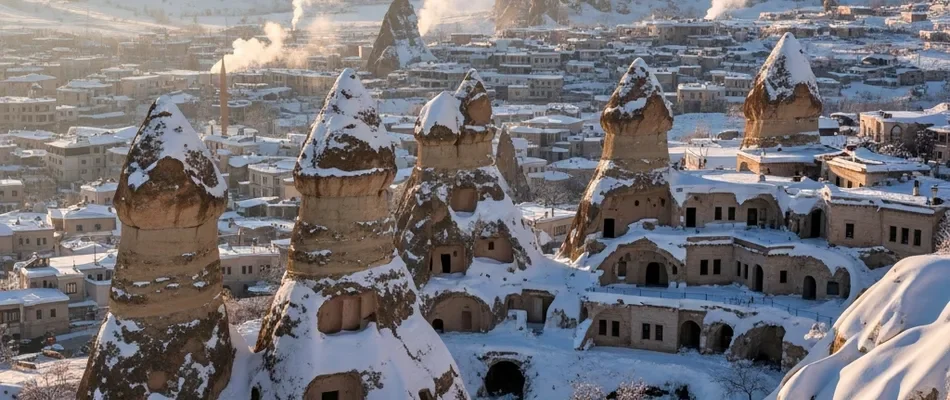
Winter (December, January, February) — The Magic of Snow-Covered Fairy Chimneys
In winter Cappadocia offers that iconic snowy landscape shared so widely on social media. Fairy chimneys under a white covering, villages asleep beneath smoking chimneys, the reflection of snow combining with the pink tones of sunrise — for anyone who wants to see that, winter is a real alternative. Daytime temperatures sit between 0 and 5°C and drop below zero at night. On a morning flight even the basket is cold.
Winter's real handicap is the high cancellation rate. In December and January it can reach thirty per cent, and in some weeks forty. If you are coming to Cappadocia in winter purely for a balloon flight, you must set aside at least three or four days. If the flight is cancelled on the first day, you can try again on the second and third. Prices, however, are the lowest of the year: booking early in early December or late February can find discounts of up to twenty per cent. The crowds are very thin, and the valley is almost entirely yours.
Which Month Suits Which Traveller?
Putting all of this together, the choice of season becomes clearer once you know your own priorities. For visitors who want the highest chance of flying and are not sensitive to price, the summer months of June to August are the safest choice. If you do not want to risk a cancellation, are prepared to tolerate the crowds and your budget allows, summer is the obvious answer. For a honeymoon, a special celebration or an anniversary, setting aside a day in summer is the sensible move.
If you are looking for value, March to May and September to October are the ideal periods. In those months you find reasonable prices, acceptable cancellation rates and valleys that are not crowded. Photographers particularly love the light in these seasons; the pastel tones of spring and the golden palette of autumn offer completely different frames. If snow and a low budget are your priorities, December to February is worth looking at — but keep your schedule flexible.
How to Build a Plan B Against Cancellation
Whichever season you come in, you should keep the possibility of cancellation in mind. Planning for a single day is therefore risky. Allowing at least two days in Cappadocia, ideally three, and leaving the second and third as a buffer for the balloon flight is the soundest strategy. If you are cancelled on the first day, most operators grant a free transfer — and to use it you need a spare day in hand.
When building a plan B, think about what there is to do on the ground as well. The underground cities of Derinkuyu, Kaymaklı and Özkonak, a walk in the Ihlara Valley, a visit to the potters of Avanos, traditional village kitchens — all of these will fill a day in Cappadocia even without a balloon flight. That way a cancellation turns into another discovery rather than the feeling that your holiday has been ruined.
How the View Differs Month by Month: What to Expect in Your Photographs
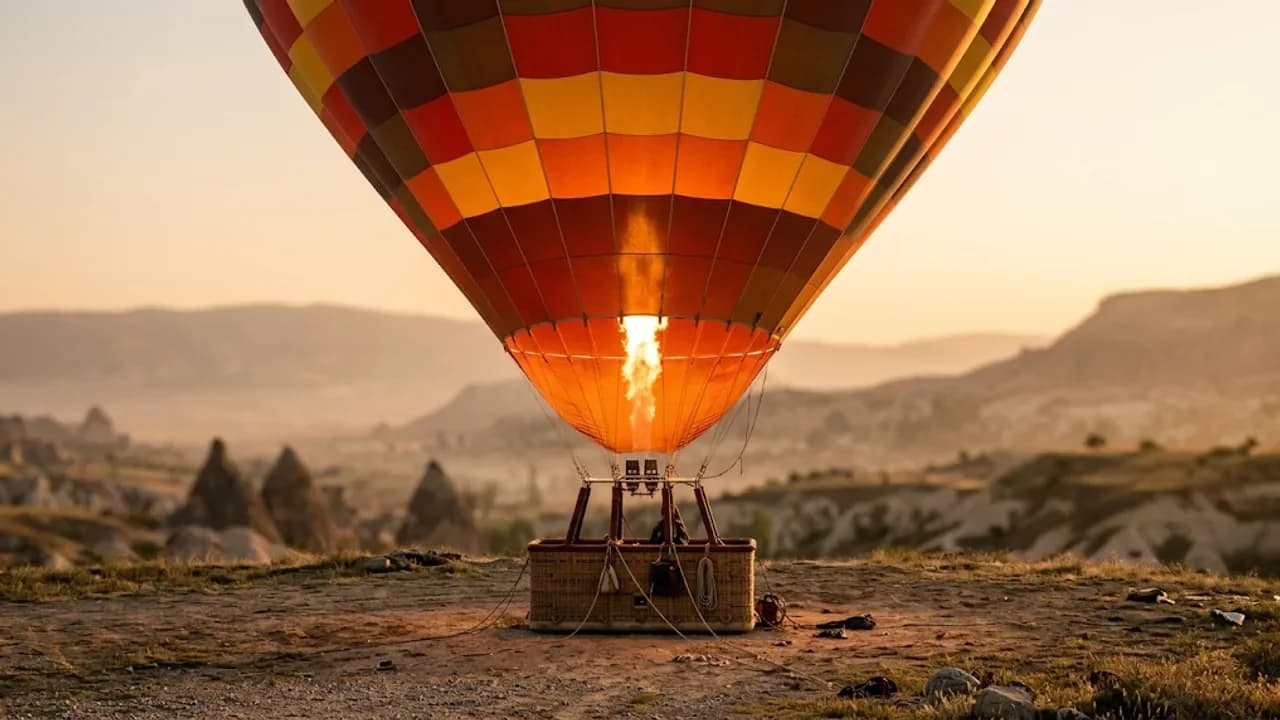
In terms of scenery, each season adds a different tonality to your album. March and April are dominated by light mist and pastel colours; the blue-to-pink transition on the sunrise routes is at its strongest. In May and June the flowering valleys offer a green and yellow combination. July and August bring hard sun and clear skies, and the colours of the balloons come out especially bright. In September and October the golden hour lasts longest, and the horizontal light striking the envelope creates a breathtaking image.
In November and December, with the first snowfall, the valleys are wrapped in white; looking down from the basket in this period you catch the contrast between white hills and the balloon's envelope alone. In January and February the air is very cold but clean; even the stars are visible early in the morning. Which frame matters most to you is a personal preference — but every season offers something that cannot be traded for another.
Whatever the Season: The Breakfast Ritual Never Changes
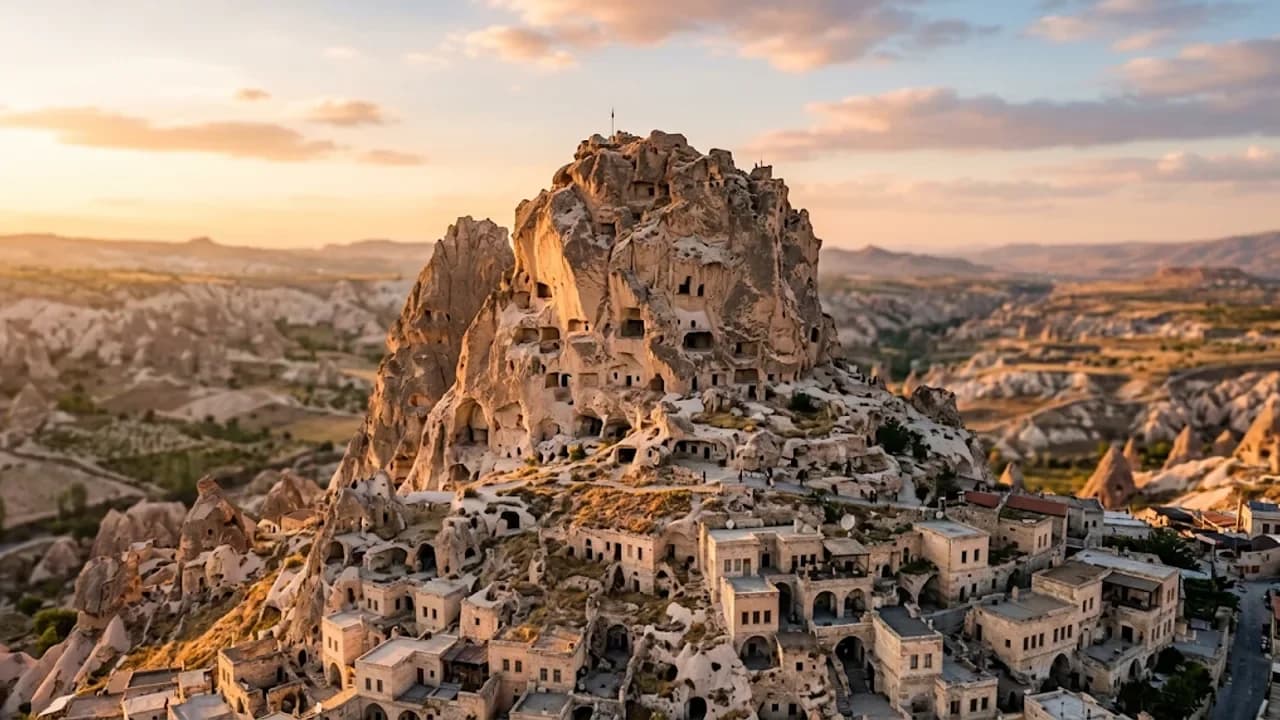
Whatever the season, one tradition after a balloon flight stays the same: a hot breakfast. At that early hour, whether shivering in the cold or feeling the mild coolness of a summer morning, what a passenger needs is hot tea, fresh bread, kuru kaymak and a generous table. KMU Mehmet Usta, at the summit of Uçhisar, can be the natural continuation of that ritual with its traditional Turkish breakfast spread, whichever season you arrive in. A warm start in the shade of the volcanic rocks, with the valley panorama in front of you, completes the balloon experience.
In the end there is no single right answer to which season is best for a Cappadocia balloon flight. The pastel mornings of spring, the reliable flights of summer, the golden colours of autumn and the snow cover of winter each offer a different story. What matters is being clear about your own priority: budget, avoiding the crowds, a guaranteed flight, or a snowy landscape? Whichever weighs most heavily for you, that is the season to set sail in.