-1.webp&w=3840&q=75)
Every visitor arriving in Cappadocia has the same first questions: where the balloons lift off, which hill to climb at sunset, which route to walk through the valleys. But those questions only go so far; when you sit down at a table in the evening, a new curiosity begins. What do you eat in Cappadocia? Which plate holds the story of this land, and which aroma carries the wind of Uçhisar? In this article we will walk through ten regional flavours of that old Anatolian kitchen, one by one, without forgetting what each of them says.
The food of this geography was not put together in a single day in a single kitchen. Assyrians, Hittites, Byzantines, Seljuks, Ottomans — each left a spice, a cooking method, a bread starter behind in this soil. Cheese cellars carved into the volcanic tuff, the pot wines of the vineyard houses, meat cooked over embers beneath the tandır: all of it still comes out of the same dish today. That is why the answer to what to eat in Cappadocia will not fit into one dish. The answer, really, is the geography itself.
1. Pottery Kebab — The Story That Cooks Inside the Earth
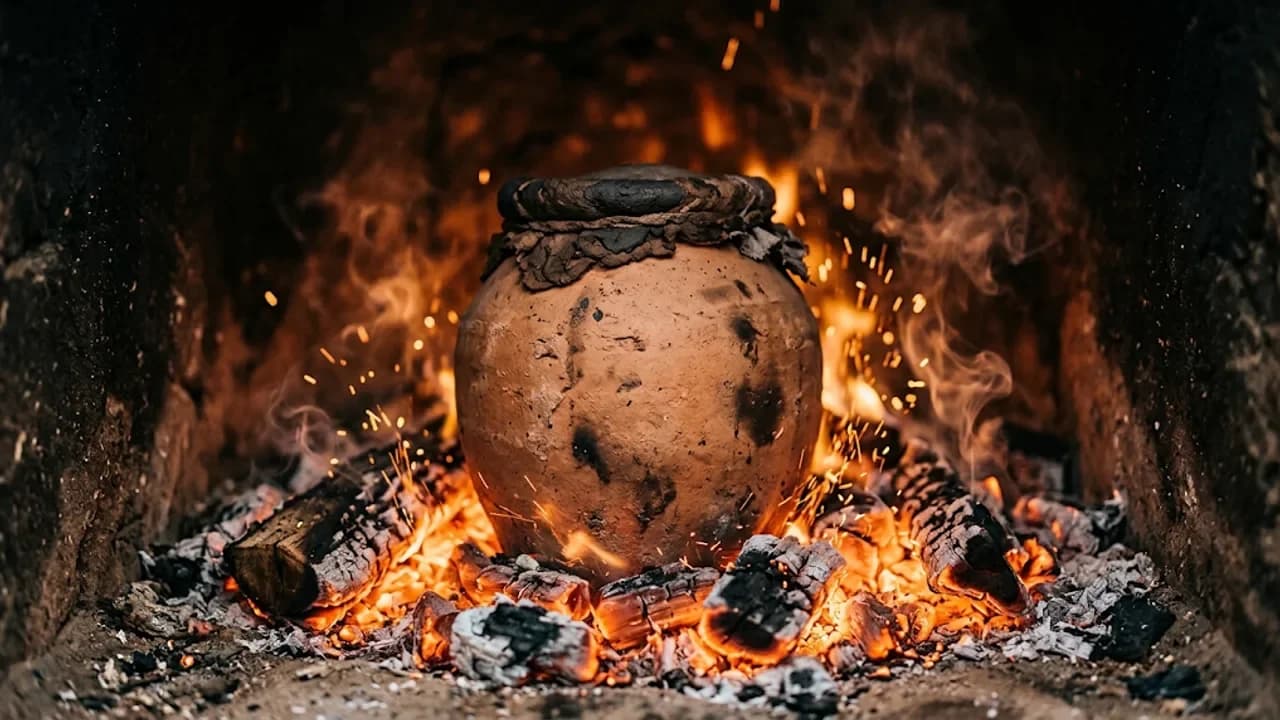
The first dish that comes to mind at the mention of Cappadocia is, without question, pottery kebab. Inside pots made from the red clay of Avanos, beef or lamb meets cubed vegetables, garlic, peppers and regional spices. The cooking takes at least four hours, and over that time the meat and the vegetables draw in each other's juices until the flavours run together. What emerges is a dish that falls apart at the touch of a fork, melts in the mouth, and comes with a sauce concentrated enough to dip bread into.
The real scene begins once the cooking is done. Still warming beside the embers, the pot is brought out in front of the guest and broken at the neck with a small axe or a heavy knife. The rush of steam, the smell of clay and the aroma of the meat create the air of a ritual. The practice comes from a very old technique: an earthenware vessel heats its contents evenly and holds their moisture. For the same reason it has been a cooking method in Anatolia since Roman times.
2. Tandır Kebab — The Patient Flavour of Underground
Tandır kebab is one of the oldest traces the villages of Cappadocia have left on the palate. Lamb, salted and lightly rubbed with pepper, is hung on wires inside a cylindrical tandır pit dug into the ground, its base filled with glowing embers. The top is closed, and the meat cooks in its own juices at a low heat for four, five, sometimes six hours. Despite that length of cooking the meat pulls apart in fibres and never dries out. The reason is that the moisture circulating inside the tandır combines with the fat of the meat.
Traditionally tandır kebab was cooked for weddings, circumcision ceremonies and post-harvest festivals, with the whole village gathered around the same pit. There are still masters keeping the tradition alive around Avanos, Mustafapaşa and Uçhisar. At the table it is served with buttery bulgur pilaf, charred peppers and tomatoes, and a sharp onion salad. Even in a single mouthful you can taste that heavy, earthy smell of underground.
3. Nevşehir Mantı — The Parcel Passed from Mother to Daughter
Kayseri may come to mind first when mantı is mentioned, but Nevşehir mantı holds a place of its own. The dough is a little thicker, the minced meat filling is kneaded with onion and spices, and the way it is closed resembles a small parcel, its corners turned upwards, before it is baked in the oven or cooked in a pot. In some villages the mantı is not boiled at all but baked until the tops are crisp. Garlic yoghurt and red pepper charred in melted butter are poured over the top.
This dish is not so much a recipe as a memory. At village weddings the bride's family expected her to learn mantı-making from her mother. A single tray takes hours of handwork: the dough is rolled thin, sliced, cut into small squares and folded one by one. That is why Nevşehir mantı is as much a small summary of the region's social fabric as it is a flavour. When you ask what to eat in Cappadocia, going home without trying mantı is not really an option.
4. Wedding Soup — The Table's First Greeting
Wedding soup did not get its name for nothing: in the villages of Cappadocia it really is the first dish on a wedding table. Lamb or beef is simmered at length in its own stock with chickpeas, then finished with a mixture of flour, egg yolk, lemon and yoghurt. A sauce of butter charred with dried mint goes over the top. It is faintly yellow in colour, creamy in texture, and both tart and rich in flavour.
The real secret of this soup lies in getting that finishing mixture to hold. If the egg and flour go in too quickly the soup curdles, so the heat is lowered and the warmed mixture is added to the soup slowly. Old cooks judge whether a soup has been finished properly with a spoon — if it leaves a thin film on the back of the spoon, the consistency has held. That careful preparation explains why it is still the centrepiece of wedding and special-occasion tables.
5. Ayran Aşı Soup — The Cool of a Cappadocian Summer
Walking around Uçhisar or Göreme in midsummer, with the hot air rising out of the valleys, you understand why ayran aşı became the region's favourite way to start a summer meal. Bulgur, chickpeas and green lentils are boiled separately, then brought together in a pot. Plain yoghurt, chilled and thinned with water, is stirred into the mixture. Once in the bowl it is finished with dried mint, charred red pepper and a very little butter.
Served cold, this soup is also a fixture of summer iftar tables. Being light, it opens the appetite before the main course, and the freshness of the mint makes it easy to eat even on a humid evening. Traditionally it was kept in large stone vessels; the cool of a cellar kept this soup fresh long before refrigeration. In some village houses you can still see it served from the deep pots that come up out of the larder.
6. Erişte with Pumpkin Seeds — The Practical Pilaf of Winter
Erişte pilaf is perhaps the dish you will meet most often in the villages of Cappadocia in winter. Home-made erişte is a by-product of tandır bread: the pieces left over when the dough is rolled out are sliced and dried in the sun for a few days. Toasted and then cooked together with pilaf, this erişte becomes something particular to Cappadocia once roasted pumpkin seeds are scattered over the top.
The pumpkin seeds are not only an aroma here but a practical piece of nutrition. In autumn the women of the region separate the seeds from what is left of the pumpkin harvest, dry them, roast them and keep them for winter. Scattered over erişte in the cold months, they add crispness and a little protein. It is a fine example of nothing going to waste in a traditional kitchen — the bread on that table, the seeds and the spices all come from the region's own soil.
7. Dolaz and Köftür — The Sweet Treasure of the Vineyard Houses
Cappadocia's tradition of viticulture shaped the sweet culture of this landscape at least as much as its wine. Dolaz is made by dipping walnuts threaded onto string into grape molasses again and again, then drying them. Because it looks something like a sausage, in some places it is called cevizli sucuk, walnut sausage. Köftür is made by thickening grape juice with starch, pouring it into trays and cutting it once it sets: a natural sort of Turkish delight, with no refined sugar in it.
Both sweets were developed to be kept for months. Rather than turning the whole vineyard harvest into wine or şıra, part of it was made into molasses and set aside as hospitality for the winter. On the mornings of religious holidays these were the most special things offered to visiting children. There are still families making dolaz and köftür by traditional methods in the vineyard houses around Uçhisar and Mustafapaşa; ask around a little and you may be able to buy from a small producer.
8. Kayseri Pastırma and Sucuk — Neighbouring Flavours in Union
Kayseri sits just to the south-east of Cappadocia, and the two culinary traditions have been intertwined for centuries. Pastırma is made by resting beef in salt for a long period, then coating it in a mixture of ground fenugreek and garlic and drying it. A single slice leaves layers of spice on the palate that stay for a long while. Sucuk is made from beef kneaded with garlic, cumin, red pepper and black pepper, then filled into casings.
This pair is indispensable on a Cappadocian breakfast table. Pastırma or sucuk goes into the butter of a pan first, and the eggs are broken over it. Crisp edges, a running yolk and the aroma of the cured meat together turn it into something well beyond a standard breakfast plate. Places serving a full Turkish breakfast spread in the region give this pair pride of place. If you are looking for an answer to what to eat in Cappadocia in the morning hours, this is your starting point.
9. Kuru Kaymak — Patience That Ripens in Five Days
Kuru kaymak, dried clotted cream, is the best-known product of the town of Kaymaklı near Cappadocia. Unlike ordinary kaymak it is rested for days until it reaches a firmness you can slice with a knife. Making it takes patience: fresh cow's milk is simmered gently for a long time, the fatty layer that gathers on top is carefully lifted each day, and the layers are built up in a cool cellar. After five days you have a faintly yellow, deeply aromatic cream that can be cut into slices.
On a traditional breakfast table it is served alongside honey. The two balance each other so well that neither the fat nor the sweetness dominates; what is left in the middle is rich but fresh. Cappadocia's beekeepers complete the pairing with the region's own thyme, pine and milkvetch honeys. If you have seen kuru kaymak on a breakfast table, you can be sure that table was laid with care.
10. Şıra and Hardaliye — The Gift of the Vine Leaves
If there is a kebab at the head of the table, there should be a glass of şıra beside it. Cappadocia's vineyard culture has sustained şıra production alongside wine for centuries. Şıra is unfermented grape juice: it contains no alcohol, keeps its natural sugars and is rich in B vitamins. Drunk cold, it is like the light breeze of a summer evening in a vineyard house. In winter it is warmed gently and served with cinnamon and clove; hot şıra is also one of the region's folk remedies against a cold.
Hardaliye is a drink fermented with vine stalks, mustard seed and spices. Its flavour is sharper than şıra, with a slight sourness. It used to be served alongside heavy meat dishes to make them easier to digest. Today you can find it in limited quantities from small producers, particularly after the grape harvest. It should not be confused with anything alcoholic: hardaliye contains no alcohol, though its taste recalls wine.
Where in Cappadocia Can You Eat These Dishes?
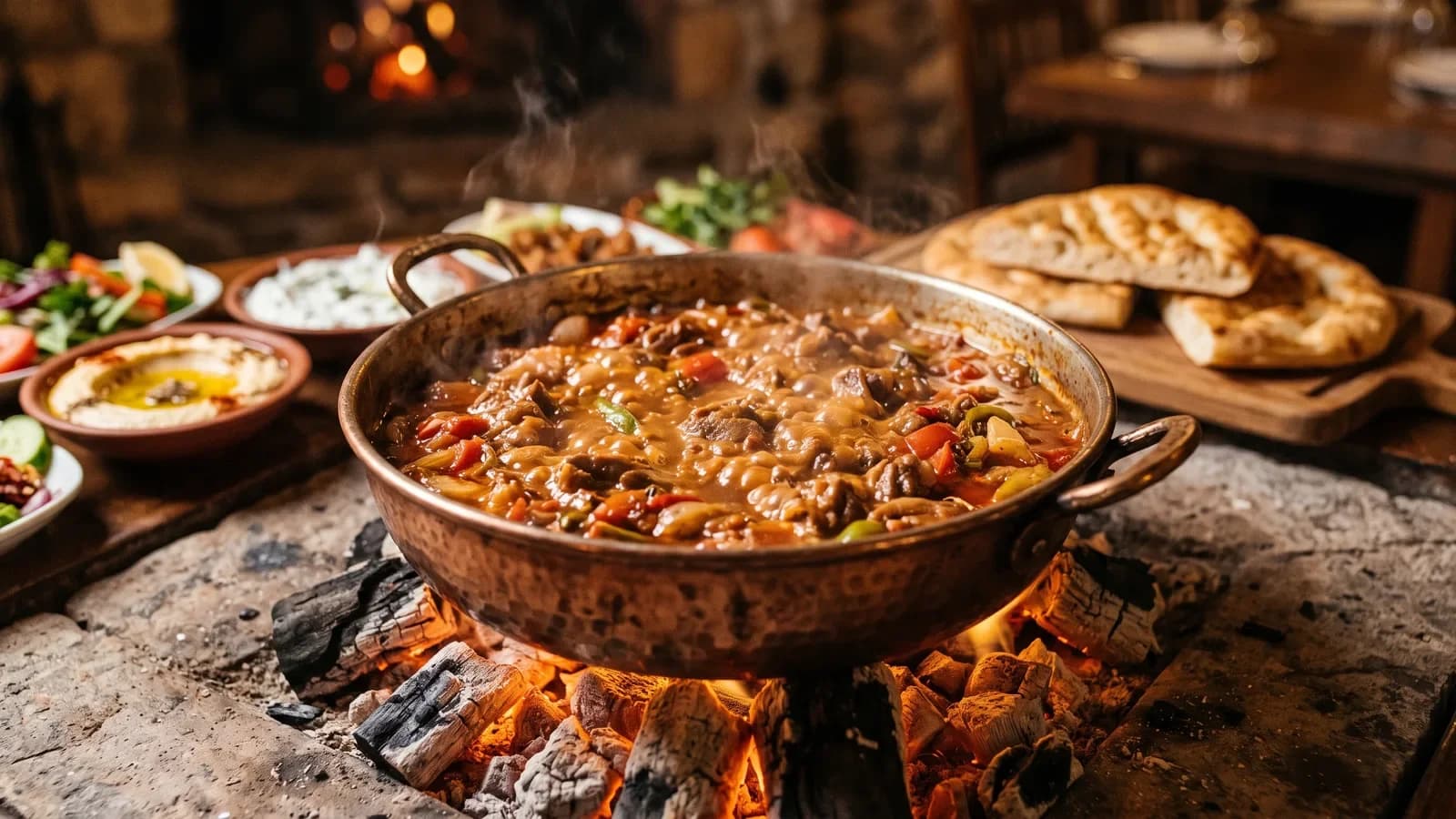
The purest way to taste the regional kitchen runs less through a restaurant's menu than through the grill at the back of it. Along the central line of Uçhisar, Göreme, Avanos and Mustafapaşa you can find places that keep to traditional cooking methods. The ocakbaşı grill culture in particular is still alive: meat cooked beside the flame, vegetables turning over charcoal, bread out of a stone oven — these appear not in any restaurant but in the ones that respect the tradition.
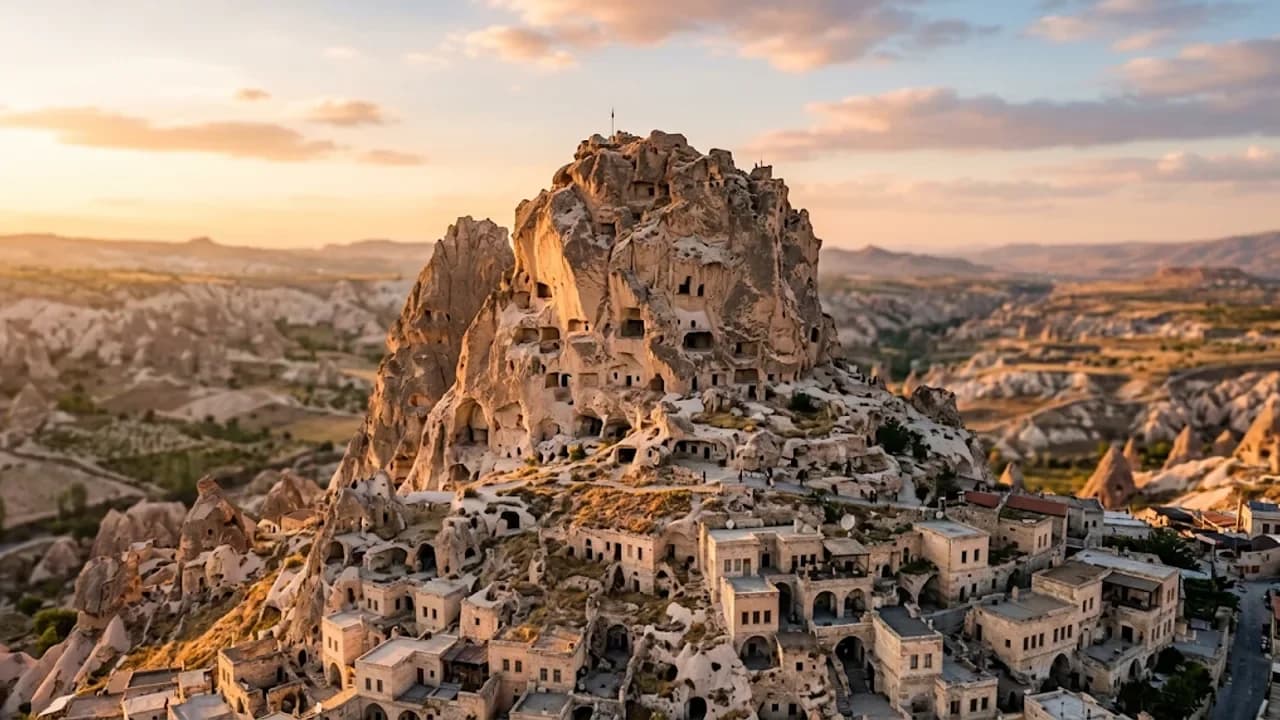
KMU Mehmet Usta, at the summit of Uçhisar, is the result of a line of craft that began in Aksaray in 2009 and reached Cappadocia. Pottery kebab cooked beside a wood fire, a traditional tandır, kuru kaymak and dolaz meeting on a full breakfast spread, the şıra tradition of the vineyard houses — all of it can be found in one place. A meal eaten with the view between the volcanic rocks stays not only on the palate but in the memory. That is why one of the most natural answers to what to eat in Cappadocia starts here.
A Whole Geography on a Single Plate
The ten flavours we have walked through here are less a kitchen than the lines between the lines of a culture. The patience of meat hung inside a tandır, the family knowledge folded into the corners of a mantı parcel, the vineyard smell of the molasses coating a dolaz — all of them carry Cappadocia's accumulation of thousands of years. Food here is not only for filling up; it is for remembering a season, a holiday, a grape harvest.
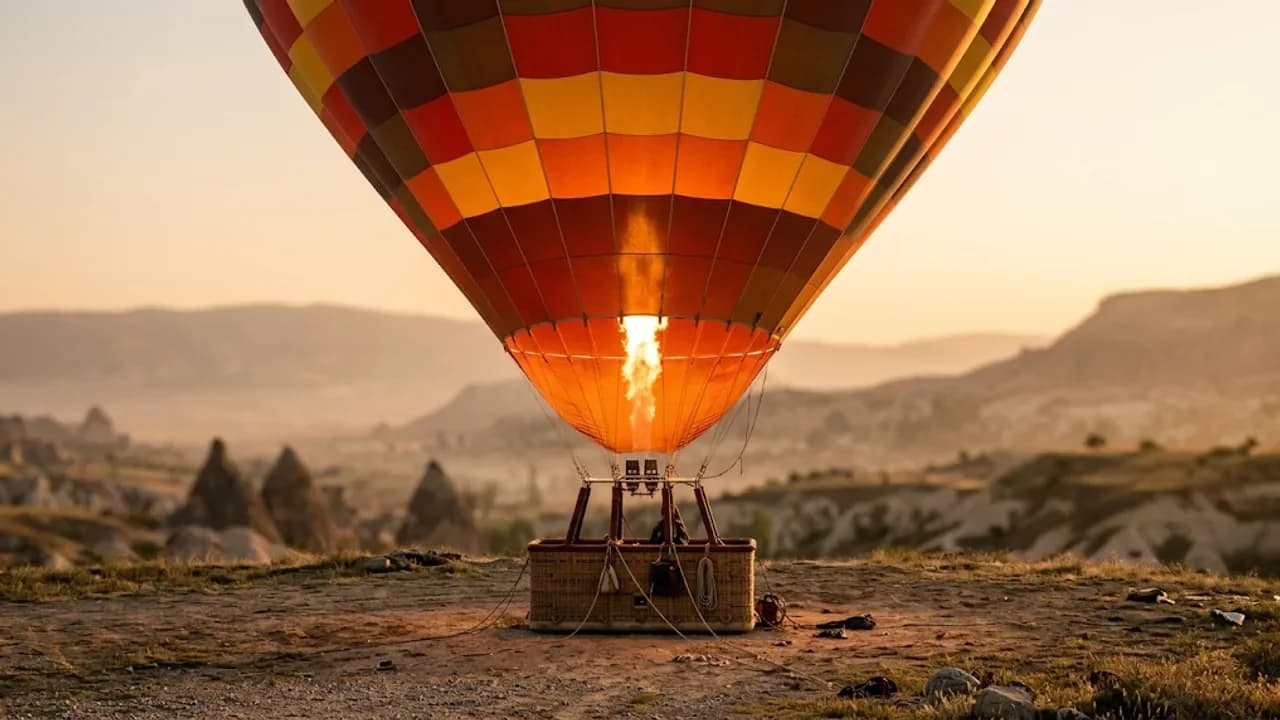
When you come to this landscape, do not only climb the hills — go underground as well; do not only photograph the balloon flight, but live the moment in front of a clay pot too. Because the real answer to what to eat in Cappadocia is hidden not in a menu but in the time that has gathered slowly beside the grill. If you would like to find every layer of the traditional kitchen on one table, at the summit of Uçhisar in the shade of the volcanic rocks, you can follow the trace of sixteen years of craft at the grill of KMU Mehmet Usta.